A pilgrimage to the Two Holy Cities is incomplete without reflecting on the landmarks where Islam was born. Our guided Ziyarah tours take you beyond the Harams, following the footsteps of the Prophet (ﷺ) and his Companions. Use this directory to learn about the history and significance of the sites we visit.
ATOL Protected
Nusuk Support
Visa Service
VIP Packages
Sacred Sites of Makkah
Mount Hira (Jabal al-Noor)
The Mountain of Revelation
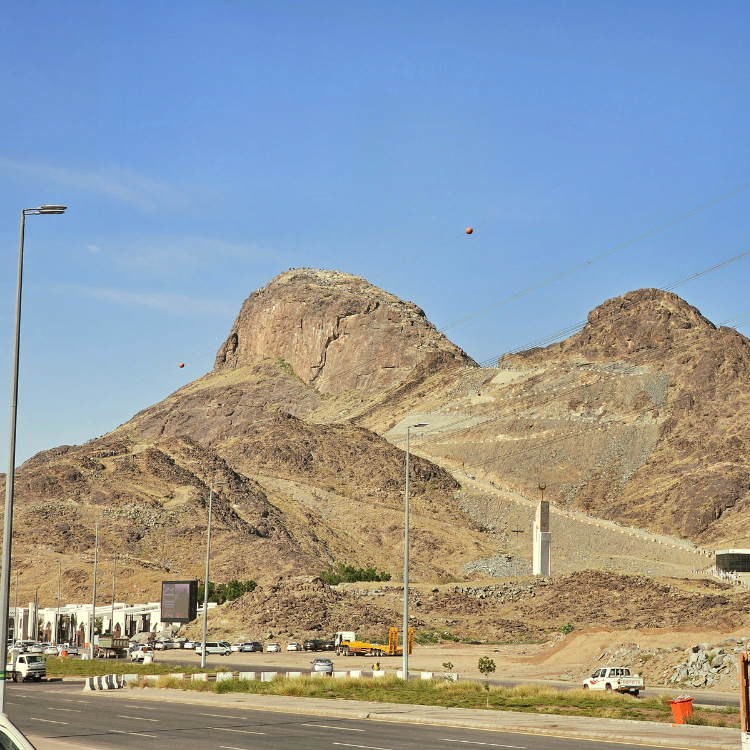
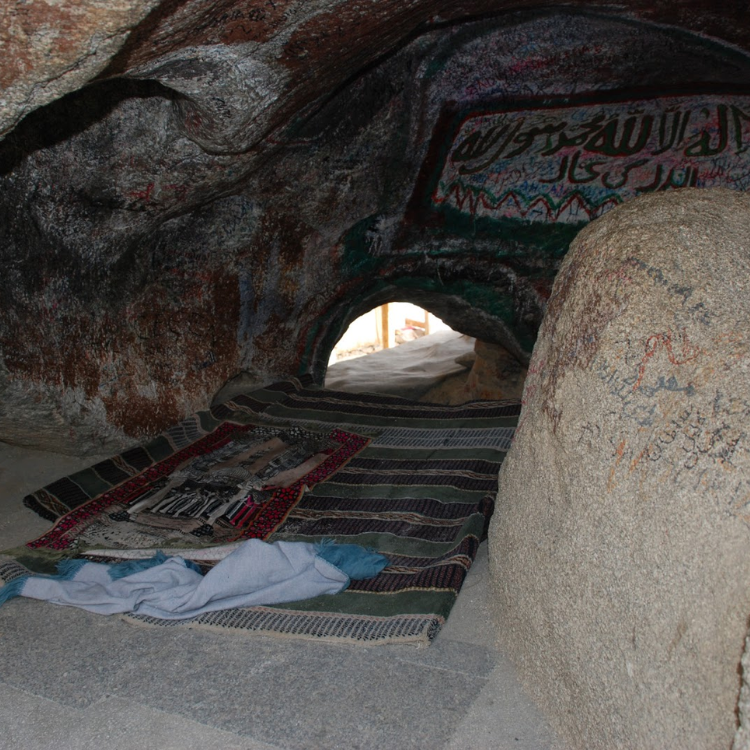
Known as the Mount of Revelation, this iconic peak holds a small cave where our Beloved Prophet Muhammad ﷺ spent periods of seclusion. It is here that he first received the revelation of the Holy Qur’an from the Archangel Jibril (AS). Standing at its base or making the climb offers a profound connection to the moment “Iqra” (Read) changed the course of history.
Mount Arafat (Jabal al-Rahmah)
The Pinnacle of Hajj
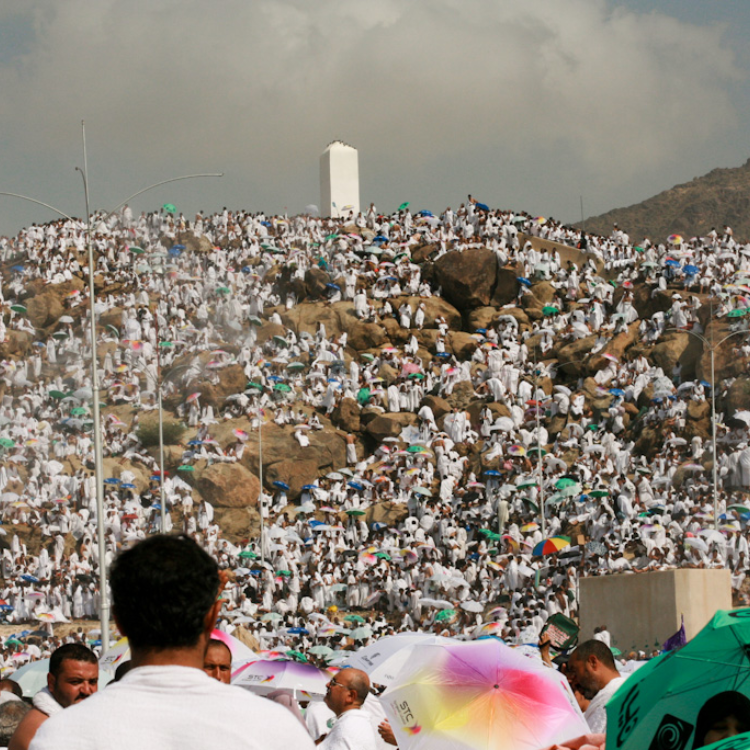
Mount Arafat is the sacred site where all Hujjaj gather to supplicate from Dhuhr until sunset, a pivotal pillar of the Hajj pilgrimage. Pilgrims listen to the Khutbah at Masjid Nimrah, situated on the vast plains of Arafat. The Prophet ﷺ stood by the rocks of Jabal al-Rahmah and famously declared, “I stood here, but all of Arafat is a place of standing,” emphasizing the sanctity of the entire plain.
Jannat al-Mu'alla
The Sacred Sanctuary of Makkah
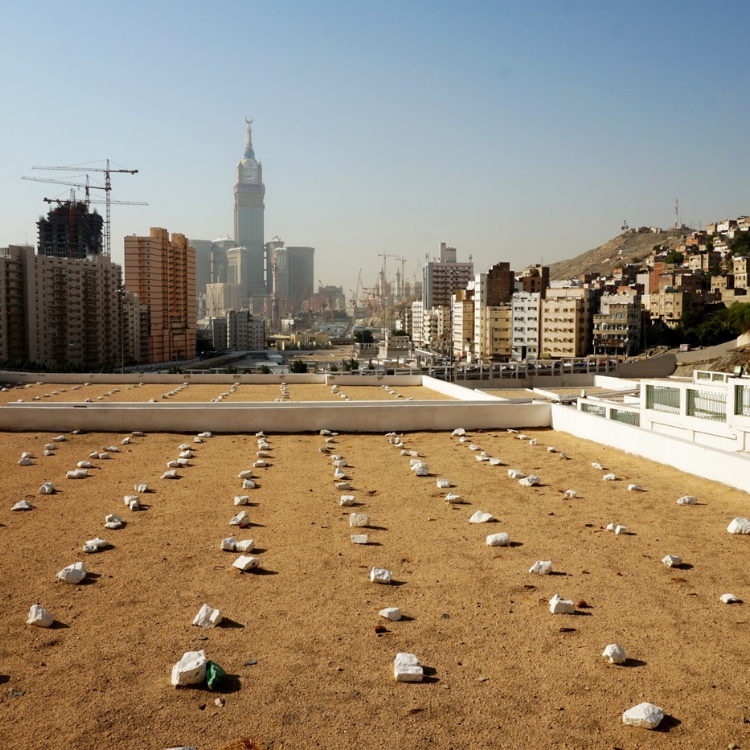
This is the primary graveyard in Makkah and a site of immense historical weight. It is the final resting place of the Mother of the Believers, Sayyidah Khadijah (RA), the first wife of the Prophet ﷺ. The cemetery also holds the remains of Abu Talib ibn Abdul Muttalib and other members of the Prophet’s ﷺ family and noble companions, making it a solemn site for reflection and prayer.
The Cave of Thawr (Jabal Thawr)
The Sanctuary of the Hijrah
During the momentous Hijrah to Madinah, our Beloved Prophet Muhammad ﷺ and his loyal companion Abu Bakr al-Siddiq (RA) took refuge in this cave to escape the pursuing Qur’aish. It is in this very location that the miracle of the spider’s web occurred, woven across the entrance to protect the Prophet ﷺ—a timeless symbol of Divine protection and Tawakkul (trust in Allah).
The Al-Haramain Museum
A Gateway to Islamic Heritage
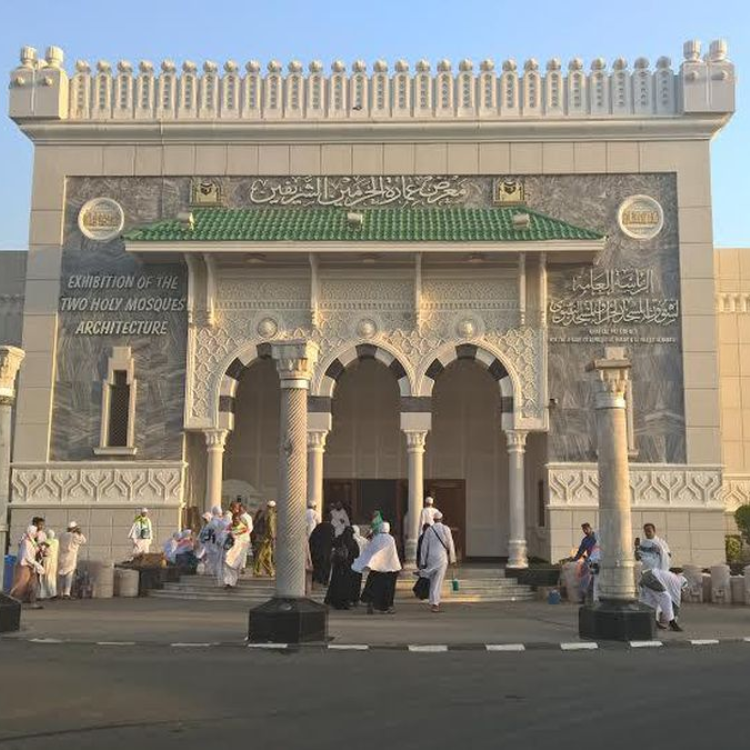
For those seeking a deeper cultural understanding, this museum showcases the historic and architectural evolution of the Two Holy Mosques. It houses rare artifacts, including the intricate Kiswah of the Ka’ba, ancient inscriptions, and the historic rim of the Zamzam well. The museum also features detailed architectural models illustrating the future expansions of the Haramain, bridging the past with the future of Islam.
Taif
The City of Roses and Resilience
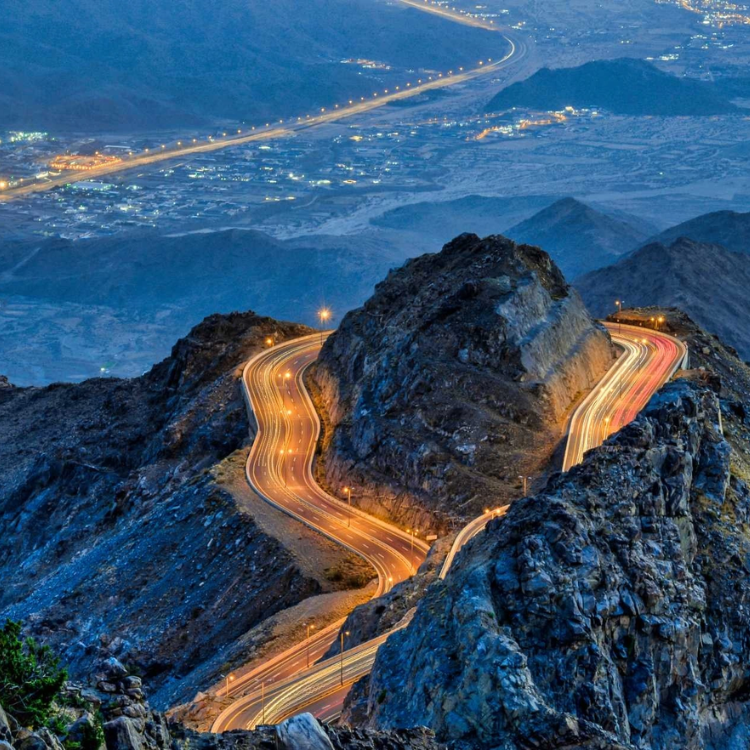
Located high in the Sarawat Mountains, Taif offers a cool retreat from the heat of Makkah. Historically, it is remembered as the place where the Prophet ﷺ showed ultimate patience and mercy despite facing great hardship. Today, it is famous for its fragrant rose gardens, the historic Masjid Abdullah Ibn Abbas, and its breathtaking mountain scenery. A visit to Taif provides a beautiful blend of spiritual history and natural beauty.
Sacred Sites of Madinah
Masjid Quba
The First Mosque of Islam
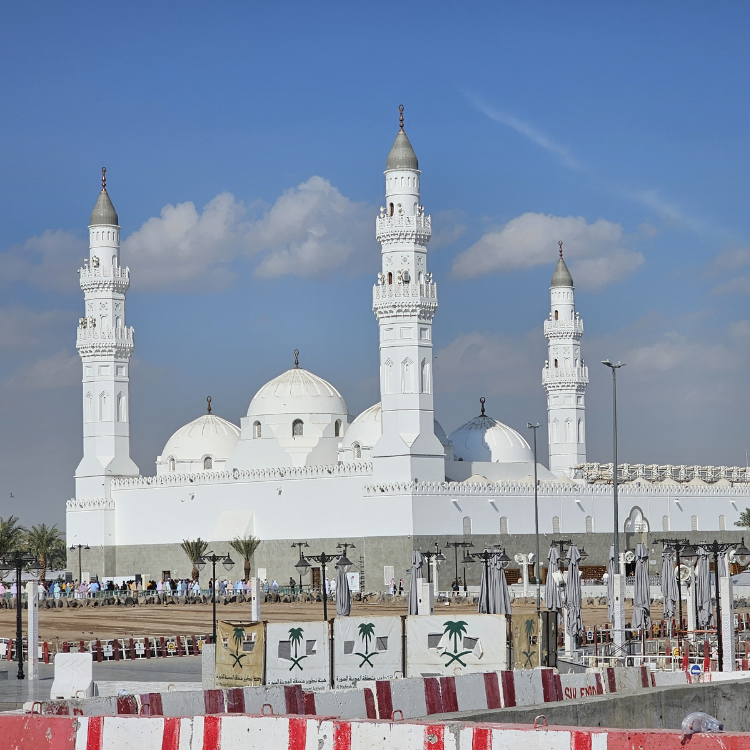
Masjid Quba holds the distinct honor of being the first mosque built by our Beloved Prophet Muhammad ﷺ upon his migration to Madinah. Located to the south of the city, this blessed site carries an immense spiritual reward. As narrated in Al-Nasaa’i, the Prophet ﷺ said: “Whoever purifies himself in his house, then comes to the mosque of Quba’ and prays therein, will have a reward like that of ‘Umrah.” It is a foundational site of the Muslim community, representing the very beginning of the Prophetic era in Madinah.
Mount Uhud
The Mountain That Loves Us
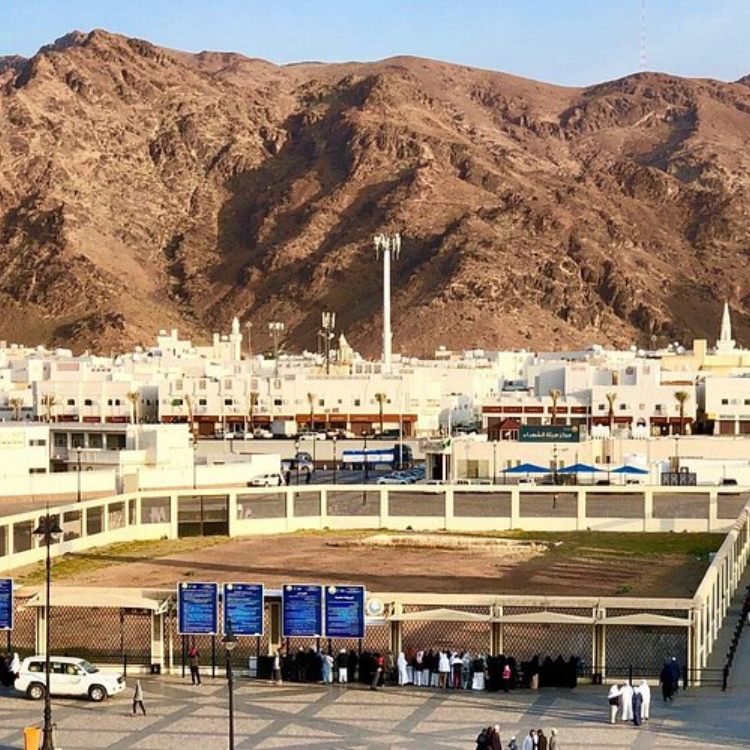
Mount Uhud is the site of the historic Battle of Uhud, a place of deep reflection and sacrifice. It was here that the Muslim community faced a great trial and the Prophet ﷺ suffered the loss of his beloved uncle, Sayyidush-Shuhada Hamza (RA). Today, pilgrims visit the Martyrs’ Cemetery to pay their respects to Hamza (RA) and the many companions who gave their lives. Despite the gravity of the history here, the Prophet ﷺ spoke of the mountain with great affection, stating: “Verily, the mountain of Uhud loves us and we love it.”
Well of Uthman (Bir Uthman)
A Legacy of Eternal Charity
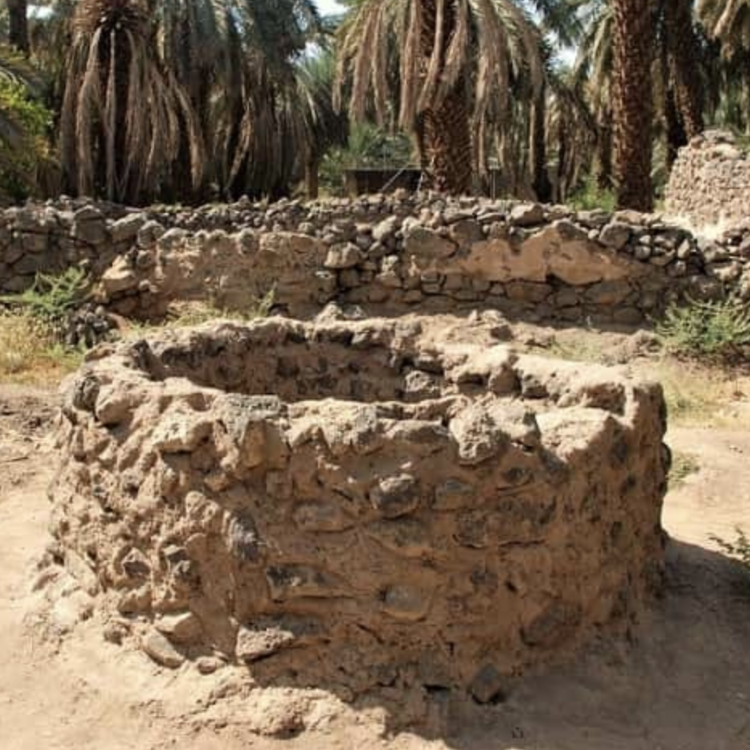
The Well of Uthman (also known as Bir Rummah) stands as a testament to the generosity of the Sahaba. When the Muslims migrated to Madinah, they faced a water shortage, and this well was owned by a man who charged a high price for its use. Uthman ibn Affan (RA) purchased the well and dedicated it as an endowment (Waqf) for the entire community. Remarkably, this Waqf continues to this day, with the land around the well still producing dates and supporting charitable causes—a beautiful example of Sadaqah Jariyah (ongoing charity).
Masjid Qiblatain
The Mosque of the Two Qiblas
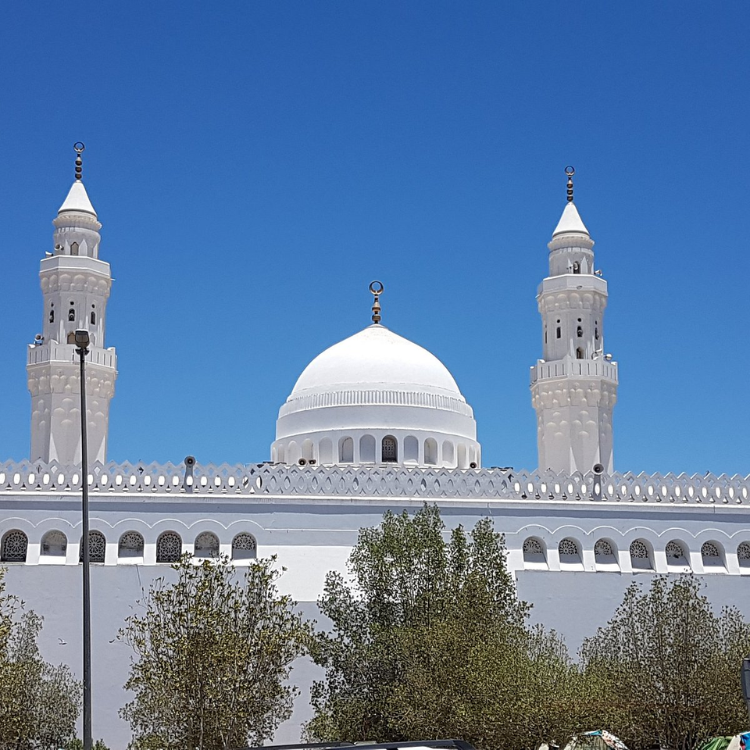
Masjid Qiblatain is one of the most historically significant mosques in Madinah. It is widely believed to be the location where the Prophet ﷺ received the Divine command to change the direction of prayer (Qibla) from Al-Aqsa in Jerusalem to the Ka’ba in Makkah. During a Dhuhr prayer, the Prophet ﷺ and the companions physically turned their direction toward Makkah, marking a defining moment in the identity of the Muslim Ummah.
Jannatul Baqi
The Garden of Heaven
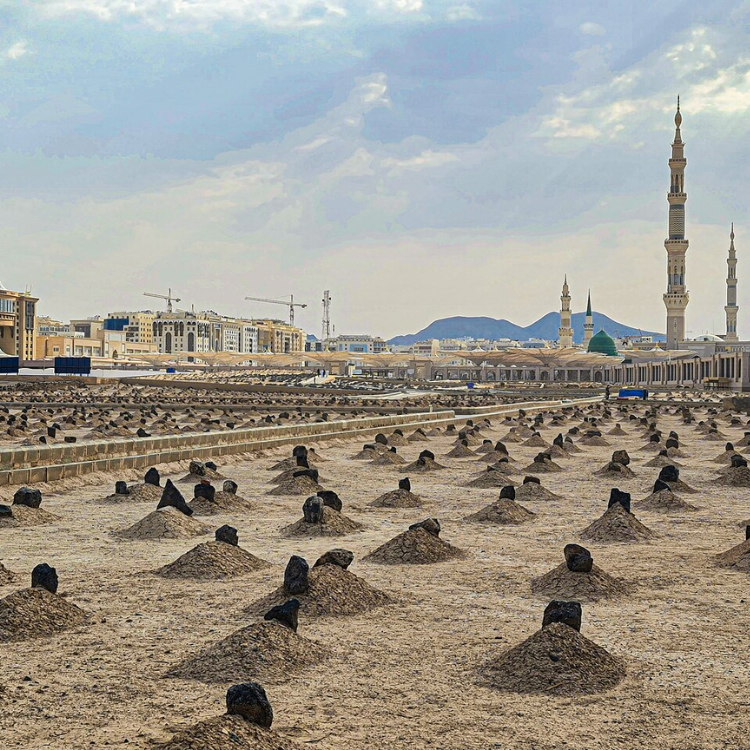
Jannatul Baqi is the primary cemetery of Madinah, located adjacent to Masjid an-Nabawi. Known as the “Garden of Heaven,” it is the final resting place for many members of the Prophet’s ﷺ family, including his daughters and wives, and approximately ten thousand of his noble companions (Sahabah). Walking past these hallowed grounds offers a somber and powerful reminder of the giants of Islam who are buried here, waiting for the Day of Resurrection.
Badr
The Day of Criterion
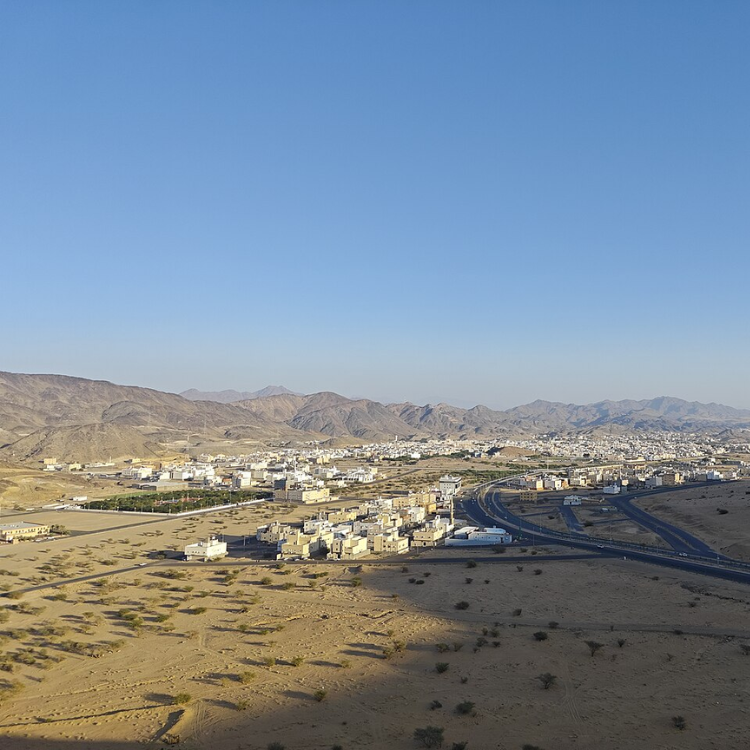
The plains of Badr, located roughly 150km southwest of Madinah, were the site of the first major battle between the Muslims and the Qur’aish. Known in the Qur’an as Yawm al-Furqan (The Day of Criterion), it was here that a small, vastly outnumbered group of 313 Sahaba achieved a miraculous victory with Divine assistance. Visiting Badr allows pilgrims to reflect on the immense bravery and faith required to establish the foundations of our faith during its earliest, most vulnerable years.